
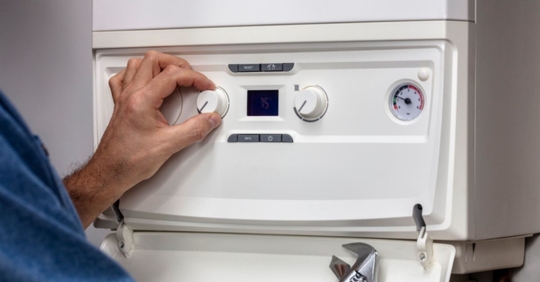
Heating systems are an essential component of any home, especially in regions prone to colder climates. Two of the most common types of systems are furnaces and boilers. Each has unique operational mechanisms and benefits that suit different household requirements. Understanding these two systems is crucial for any homeowner looking to invest in a new heating solution.
Furnace Basics
Furnaces are a popular choice for heating homes, utilizing a forced-air system to distribute warmth. The core function of a furnace involves heating air that is then circulated throughout the home via a network of ducts and vents. This process relies on various fuel types, including natural gas, oil, and electricity, with natural gas being the most prevalent due to its cost-effectiveness and efficiency. Furnaces are often preferred for their ability to heat homes rapidly and their compatibility with central air conditioning systems, allowing seamless integration for year-round comfort. The speed at which a furnace can heat a home makes it an attractive option for those living in climates with significant temperature fluctuations.
Boiler Basics
Boilers offer a different approach to home heating by warming water that circulates through radiators or radiant floor systems to provide heat. This method is known for maintaining a consistent warmth, making boilers well-suited for regions with prolonged cold spells. Similar to furnaces, boilers can use natural gas, oil, or electricity as a fuel source, yet they stand out for their ability to deliver heat in a more personalized manner, particularly with radiant heating. This form of heat distribution results in a comfortable ambient atmosphere, often preferred for its gentle and consistent heat without the drafts sometimes noticed with forced air systems.
Energy Efficiency Considerations
When comparing the energy efficiency of furnaces and boilers, it’s important to look at their Annual Fuel Utilization Efficiency (AFUE) ratings. Boilers generally boast higher AFUE ratings compared to furnaces, meaning they convert more of their fuel into usable heat with less energy loss. However, the efficiency observed in practice can vary based on maintenance and the setup of the heating distribution system. Regular maintenance is crucial; a well-maintained furnace or boiler will not only retain its efficiency over time but also ensure a lower impact on utility bills. Effective maintenance strategies include routine inspections and timely repairs performed by qualified professionals, such as those at S & B Mechanical in Bridgewater, MA.
Cost Implications
The initial installation costs and long-term operational expenses of furnaces and boilers can vary significantly. Furnaces typically have a lower initial installation cost, making them accessible for many homeowners. However, their operational costs might fluctuate based on fuel prices and usage levels. Boilers, on the other hand, often come with a higher upfront investment but can result in lower operational costs due to their efficiency. The choice between the two will depend largely on the homeowner’s budget and the specific requirements of the property in question. It’s beneficial to weigh these factors carefully to determine which heating system provides the best value over time, factoring in not only the monetary costs but also the associated benefits of comfort and efficiency.
Climate Suitability and Performance
Selecting the right heating system also involves considering the climate in which your home is located. Boilers might be better suited for areas experiencing long, harsh winters, as they provide a steady, even heat that permeates living spaces thoroughly. In contrast, furnaces may perform better in regions with shorter cold seasons since they can rapidly heat a space, making them ideal for quickly warming up a home. The design and size of the home play critical roles as well; for example, a smaller home with excellent insulation might benefit more from a furnace, whereas a larger, older home might experience optimal comfort levels with a boiler system.
Distribution of Heat and Comfort Levels
Comfort levels also vary significantly between furnaces and boilers. Furnaces excel in distributing warmth quickly through their ductwork but can sometimes produce uneven temperatures and reduce humidity levels, potentially leading to a drier household environment. Boilers, in contrast, offer a more subtle and consistent heating experience that can help maintain indoor humidity levels more effectively, conducive to better air quality during the winter months. Noise can be another consideration, as furnaces tend to be noisier than boiler systems. Homeowners must assess which factors of comfort are priority when deciding between the two systems.
Space and Configuration Needs
Installation of a furnace or boiler system requires detailed planning regarding space and configuration. Furnaces typically require less space and can be installed in compact areas, but require an extensive network of ducts throughout the house. Boilers, while consuming more space due to the necessity of radiators or underfloor systems, offer flexible placement options for the heating units themselves. Retrofitting these systems into older homes may require additional structural work, especially when incorporating new ductwork or converting from one system to another. Home assessments can help foresee these needs, making it crucial to consult with experts like those at S & B Mechanical.
Regulatory and Safety Requirements
The installation of furnaces and boilers is governed by specific safety standards and building codes that ensure the systems' safe and efficient operation. Compliance with local regulations is non-negotiable, as is the importance of professional installation and routine inspections. Furnaces are subject to strict venting and combustion air requirements, while boilers must adhere to pressure and temperature safety laws. Adhering to these requirements protects homeowners and ensures the longevity and efficiency of the system.
Environmental Footprint
As homeowners become more environmentally conscious, understanding the ecological impact of heating systems becomes paramount. Furnaces and boilers contribute differently to carbon emissions, with boilers generally having a lower environmental footprint due to their efficiency. Efforts can be made to reduce this impact further, such as incorporating renewable energy sources into the system's operation, like using solar panels to supplement energy needs. Selecting Energy Star-rated models can also significantly lower energy consumption and emissions.
Innovations and Future Trends
The technology surrounding heating systems is continuously evolving, with innovations aimed at increasing efficiency and reducing environmental impact. Modern systems can be integrated with smart technologies, allowing homeowners to control their heating systems more precisely for enhanced energy savings. The potential for integration with renewable energy sources like solar or geothermal has opened new avenues for eco-friendly home heating. Expectations for future developments hint at even more sustainable models that promise to combine even higher efficiency with substantial ecological benefits.
Do Not Hesitate to Get In Touch with S & B Mechanical for Your Heating Needs
Understanding the nuances of furnaces and boilers is crucial for choosing the ideal heating system for your home. Each system offers distinct advantages in terms of efficiency, cost, comfort, and environmental impact. Consulting with a local expert from S & B Mechanical can provide priceless insights tailored to your home's specific heating needs. Ready to take the next step in creating a warm, energy-efficient home? Contact S & B Mechanical today to explore your options.
Call S & B Mechanical now at (508) 290-4404 or send us a message online.